
Running places repetitive stress on the feet, calves, hips, and lower back. These 6 techniques target the fascial stress points most activated during running — reducing injury risk, improving stride efficiency, and speeding up recovery.
6 Techniques:
Foot & Plantar Fascia Reset — Activates sensory receptors in the foot to improve ground contact and reduce plantar pain
Calf & Achilles Sensory Release — Targets fascial tension in the lower leg most common in runners
Hip Flexor Fascial Activation — Releases compression in the hip from repetitive forward movement
IT Band & Lateral Hip Reset — Reduces lateral fascial tension that leads to knee pain in runners
Lumbar Spine Decompression — Restores fascial hydration in the lower back after long runs
Full Body Running Recovery Sequence — Complete post-run fascial reset to restore balance and prevent tightness

Tennis involves explosive lateral movement, overhead power, and rapid direction changes. These 6 techniques target the fascial stress points most taxed during a match — improving reflexes, reducing injury risk, and speeding up recovery.
6 Techniques:
Lateral Hip & IT Band Reset — Releases fascial tension from side-to-side movement patterns
Shoulder & Rotator Cuff Activation — Stimulates sensory receptors for better serve mechanics
Forearm Fascial Decompression — Targets tennis elbow stress points through sensory activation
Ankle & Calf Sensory Drill — Improves explosive push-off and reduces lower leg fatigue
Cervical Spine Reset — Reduces neck tension from tracking and overhead movement
Full Body Coordination Sequence — Integrates fascial sensory signals for faster reflexes and coordination

Golf demands rotational power, hip mobility, and precise coordination. These 6 techniques target the fascial stress points most activated during a golf swing — helping you move better, recover faster, and play longer.
6 Techniques:
Thoracic Rotation Reset — Activates fascial receptors along the spine to improve rotational range for your swing
Hip Flexor Sensory Release — Targets fascial compression in the hips common in golfers
Shoulder Fascial Activation — Stimulates mechanoreceptors in the shoulder girdle for better swing control
Forearm & Wrist Sensory Reset — Reduces grip tension and activates fascial tissue in the forearm
Foot & Ankle Grounding Drill — Improves weight transfer and balance through sensory activation
Post-Round Fascial Recovery — Full body decompression sequence to restore fascial hydration after play
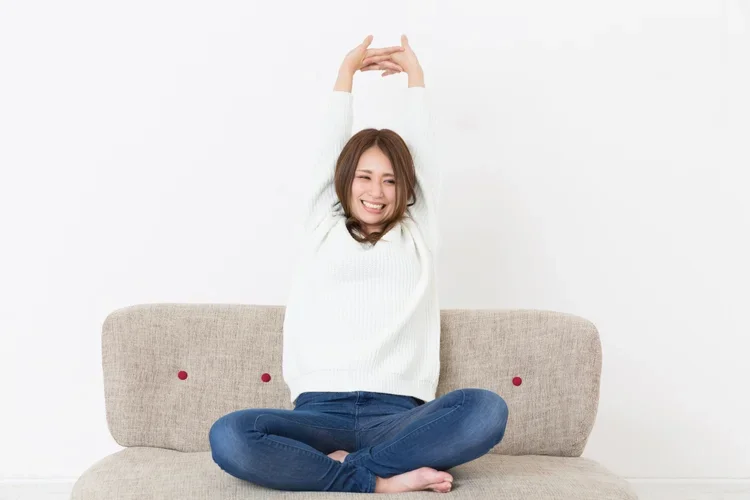
The lymphatic system is an extensive drainage network that helps keep bodily fluid levels in balance and defends the body against infections. It is made up of a network of lymphatic vessels that carry lymph - a clear, watery fluid that contains protein molecules, salts, glucose, urea and other substances - throughout the body.

When a muscle is chronically tense or in spasm, the muscle fibers contract due to the secretion of lactic acid caused by fatigue, trauma, stress, chemical imbalances or poor circulation. For instance, when you are under stress you may breathe shallowly. The muscle tension yields to the finger pressure, enabling the fibers to elongate and relax, blood to flow freely and toxins to be released and eliminated. Increased circulation also brings more oxygen and other nutrients to affected areas. When the blood and bioelectrical energy circulates properly, we have a greater sense of harmony and well-being.
Headache • Mind • Neck • Shoulder • Knees • Ankles and Feet • Abdominal • Elbow
Wrist • Back • Hips • Legs
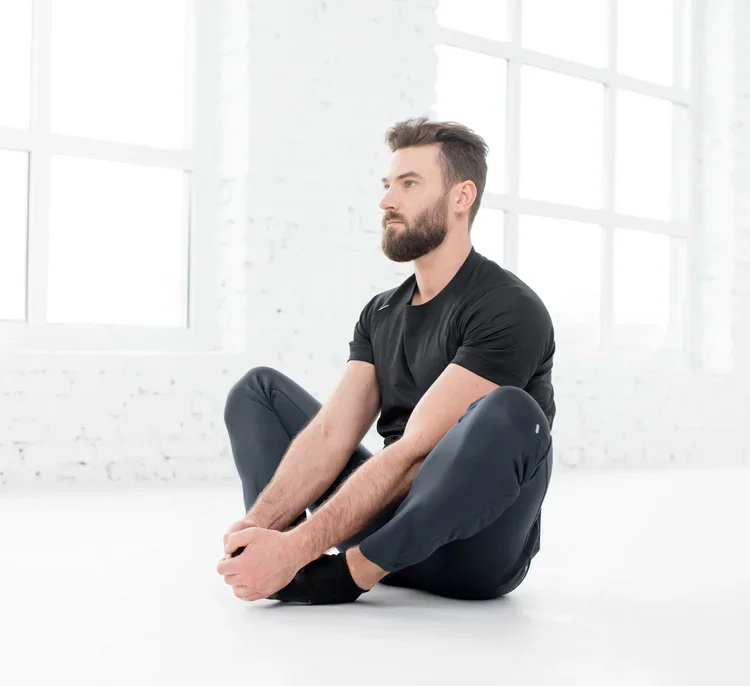
The feet represent the condition of the whole body. Since the body and the feet are involved in the body's balance of vertical and horizontal relationships, each part of the feet correlates to each part of the body, and conditions appearing in each part of the feet correspond to the conditions of organs and functions of the related parts of the body. Along with points on the feet that help us to target organ systems, the correlating muscle group for that organ system is also important. This program unites muscles and organs together to help aid in breathing, circulation, digestive, skeletal, immune, nervous and arterial systems.
Breathe Easy • Immune Enhance • Circulatory Flow • Arterial Blood Flow • Digestive Flow Nervous System • Muscle Pain • Skeletal Discomfort
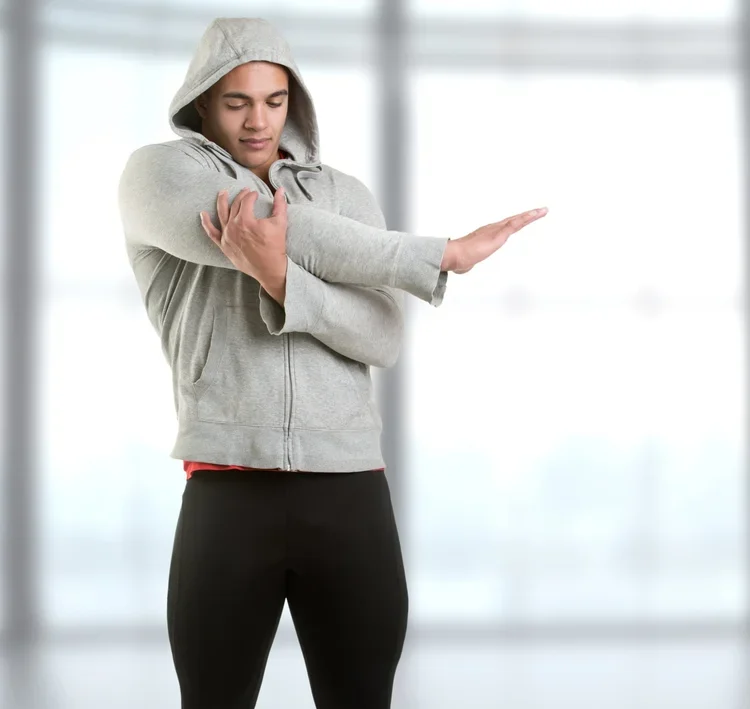
Athlete or not, we all have muscles. Our muscles help to move our body as they contract and expand independently and in conjunction with other muscle groups. Our muscles take on a big job and are oftentimes pulled out of balance because of strain, irregular movement patterns, or pain. This series concentrates on different muscle groups and can aid in soothing sore and tight muscles, often as a result of referred pain.
• Muscles of the Head, Neck & Face
• Muscles of the Shoulder Girdle
• Muscles of the Upper Limb
• Muscles of the Torso
• Muscles of the Lower Limb
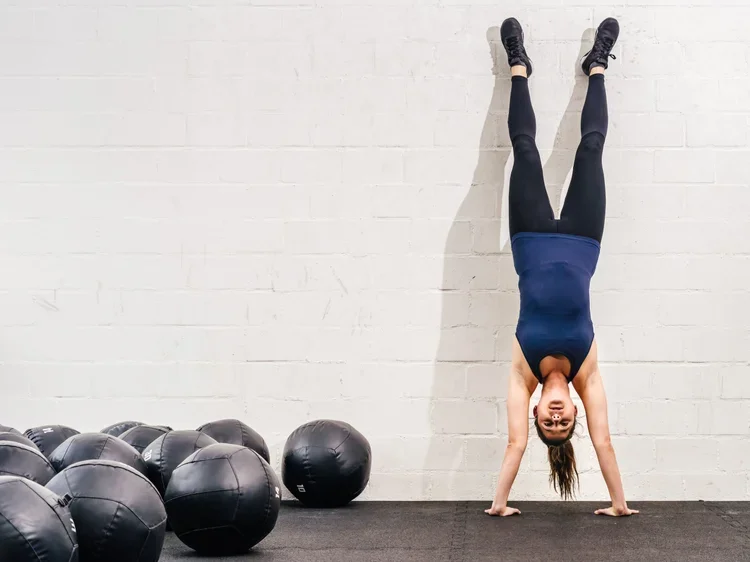
Whatever sport you play, whatever position you play in that sport, and however good you are at it, you operate within the framework of one or more of twelve basic movements. Each sport employs a certain variety of these movements, and when you go through the motions of using them, you tax certain related stress points on your body. These are the first areas to break down during sustained effort, and the last to recover; they are the lead-in for all muscle tightening, muscle fatigue, loss of mobility and power, and slowing down reflexes and coordination. Fascia Buzz Sports Program is a series of techniques designed for your specific sport. Each sport has unique movement patterns and common aches or injuries. Help your body better prepare for your sport and take you to the next level.
17 Sports
Baseball • Basketball • Cycling • Dance • Football • Golf • Gymnastics • Hockey • Riding Racquetball • Running • Shooting • Skiing • Soccer • Swimming • Tennis • Weight Lifting
No results match your search. Try removing a few filters.
